Who are you and what do you do?
If you are a man and you meet another man for the first time in a social setting there is a ‘ritual’ which almost always takes place. I hadn’t realised this until a few years ago when my then day job was in community mental health working with men struggling with their emotional wellbeing, struggling to find meaning and struggling just to make sense of their place in the world they inhabited.
The Ritual
The introductory ritual goes like this:
“Roy, this is John”
(Obligatory handshake follows)
“Hi John”
“Hi Roy, and what is it you DO”?
It had never occurred to me that almost every time I had a social encounter with another guy, in the pub, at a party, on holiday etc., the ritual was the same. Who are you and what do you DO?
Through my work and training I had come to understand that men were mostly surface creatures and many were not comfortable expressing their deeper feelings. This seemed especially true of men of a certain generation (boomers like me). Our generation were raised to not show weakness or vulnerability and to be strong and tough. We were conditioned differently to women and we were expected to be not just men but ‘real men’ and ‘breadwinners’. And to do that, we worked. And our work, that thing we did, was who we were.
“For men, the message that they receive about their primary value is in their resource accumulation. In other words, if women are sex objects, then men are success objects” — Jordan Gray, Relationship Coach
Who Am I And What Do I Do?
We age, go through the education and employment phases and develop relationships, we then get older and retire. For me, even knowing all of the things I did about the human condition, the last stage has been quite a challenge. The impact of our conditioning on all the phases of our lives tends to stick.
My name is Roy, but what do I DO, if I am asked? Well I would start to respond with, “I was a registered Social Care manager before stopping” (I hated using the retirement word but couldn’t really explain why). And then over time I realised that my conditioning, my status in the world, my need to be seen as valid and my overall self-value remained rooted in what paid my salary and who needed me and my skills. Every promotion, award, successful interview and positive yearly performance appraisal were what validated me.
My whole identity it seemed, was wrapped up in what I DID.
And when I stopped, it wasn’t just that I no longer needed to be up in the morning, to get to the office, to meetings, to deal with the needs and demands of staff and clients and to feel needed….y’know, like a real man. It felt more profound than that.
I knew who I WAS but wasn’t sure what I DID anymore and that has been pretty unsettling. And because of years of reinforcing my conditioning, I still, 5 years after leaving the day job, tend to climb back into it like a security blanket, when a particular subject comes up in social settings.
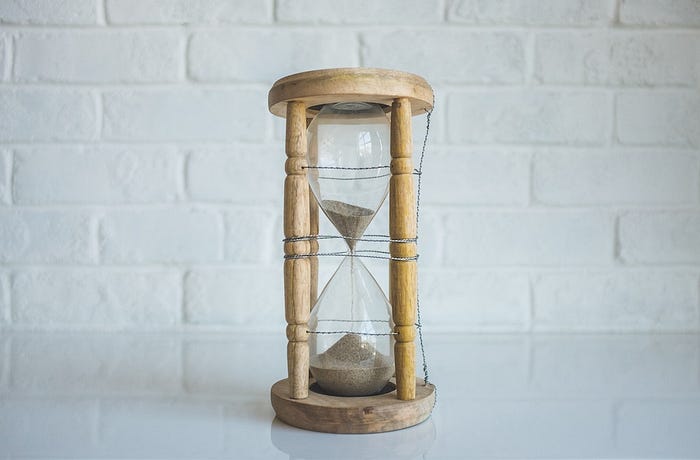
The cruel clock
I have known many men who finished working after a lifetime of service; I have attended the retirement “celebrations” where words of praise and thanks were given to the person being honoured. I have contributed financially to the leaving gift — usually (and cruelly) a clock! And, guess what? A new person stepped into their role the following week and the company just carried on as it always did. Life goes on as normal for everyone else. But normal life changes for the person saying goodbye when he wanders home with his clock.
And I’ve known many of those people who left their places of work, went home and then shuffled off their mortal coil within a few months or years.
Who I am is enough
Life goes on for us men. And there is no shame or guilt which needs to be felt in being male, being retired, or being vulnerable, expressing your feelings, still trying to work things out or getting older. And there’s no reason why anyone should be solely defined by whatever role they play at whatever stage they are at in life.
And there’s no reason why all of us, especially us men, can’t question our conditioning, move on from the embedded rituals and change or fix those things which hold us back from really knowing who we are and what we do, regardless of age, job or social status.
Hi. I’m Roy, and I’m still learning…